The Stone at the Bottom of the Sea
I've been thinking about money a lot lately. Not in the "how do I get more of it" way (okay, sometimes in that way), but more in the "wait, what actually is this stuff?" way. Blame the accountant in me.
The more you look at money, the funnier it gets. A dollar bill is a scrap of paper with some ink on it. A bank balance is a number sitting in a database somewhere. Neither is worth anything on its own. They're only worth something because you, me and the guy selling coffee on the corner all agree they are.
That's the whole trick. Money works because we all believe in it at the same time.
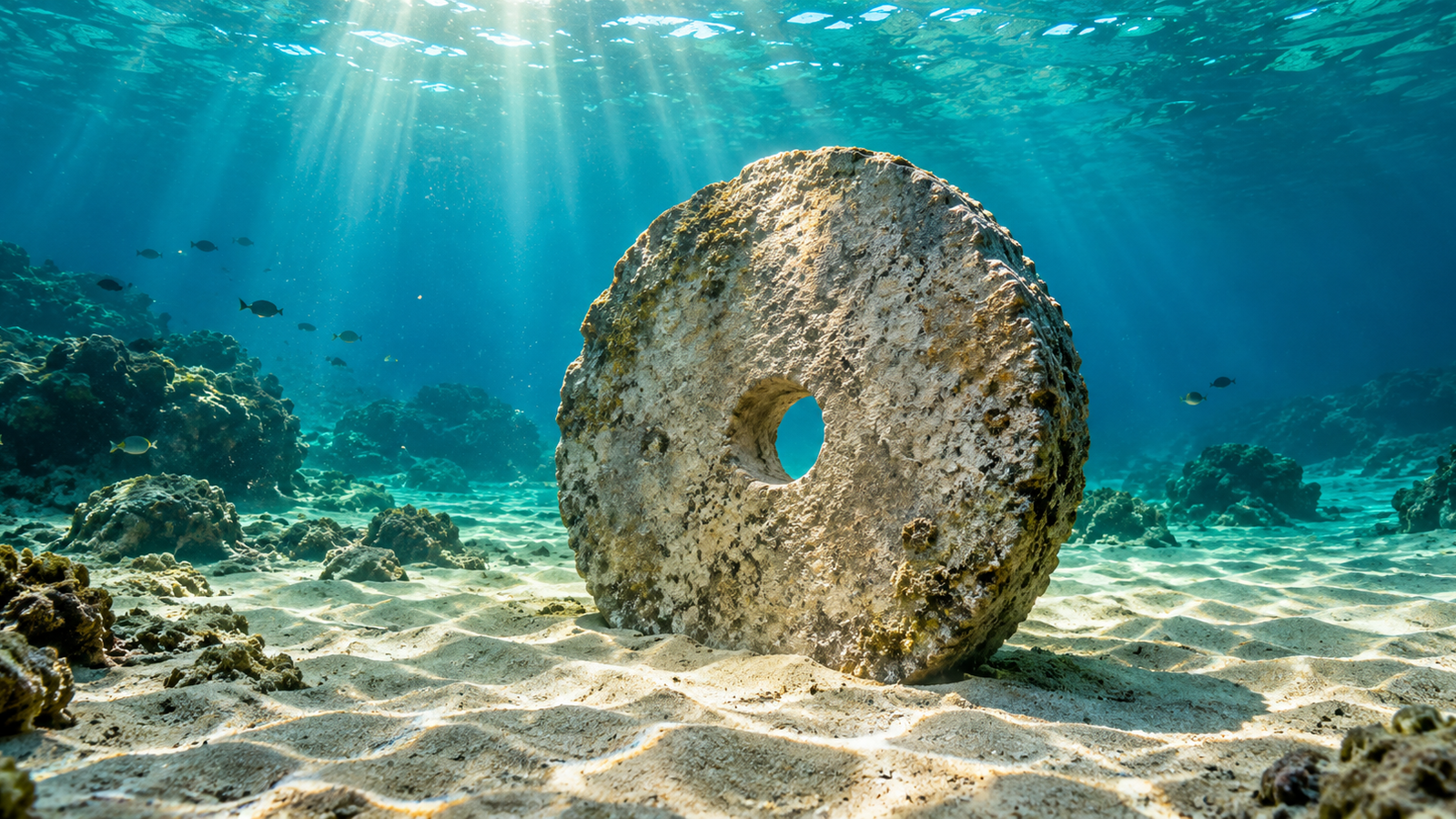
My favorite example of this comes from the island of Yap in Micronesia. The Yapese used giant carved limestone discs called rai as currency, some of them taller than a person. They were far too heavy to move, so when one changed hands it usually stayed exactly where it was and everyone just remembered who owned it now.
Then there's the story, written up by the explorer William Furness in 1910 and later made famous by Milton Friedman, about a huge stone that sank to the bottom of the sea on the trip home by canoe. Nobody had laid eyes on it in generations. It didn't matter. Everyone agreed it existed and agreed it had value, so the family who owned it was still considered rich.
Honestly, a stone at the bottom of the ocean isn't much weirder than the number in my banking app.
Which got me wondering. If value is just something two people agree on, why does every deal have to run through money at all?
So here's my news. EQLBRM is bringing barter back! 🤝
I'm open to trading any EQLBRM service for products or experiences instead of cash. If you've built something great and you need help on the business side, let's talk about a trade.
What would I trade for?
- Products you make or sell 📦
- Gym, studio or spa access 🏋️
- Recovery and wellness experiences 🧖
- Retreats and travel ✈️
Worst case, I end up with a garage full of protein powder. There are worse fates.
The bigger reason I like this is that barter forces both sides to say out loud what they actually value. Money lets us skip that conversation. A trade doesn't. In my experience, a good trade needs three things: you both bring something real; you both say what it's worth to you; and you both walk away feeling like you got the better end of the deal.
If you've got something worth swapping, head to the Services page, choose the trade option on the inquiry form, and tell me what you've got and what you need.
Value was never in the stone. It's in the agreement.